Marine Axial Fan Coatings: E-Coat vs PTFE for Salt Spray Requirements
For shielded below-deck axial fans on projects with our customers in China, electrophoretic coating, also called e-coat, is a common starting specification. The practical reason is that these fans typically operate inside the vessel without direct exposure to outside marine air. When a customer calls for salt spray qualification, UTEK-DELE reviews a PTFE-based coating system for the affected components against the customer's test and acceptance requirements. Ask which configuration will be tested and what the report must demonstrate before ordering.
The first step is to trace where the working air comes from. A fan located inside a ship can still pull from an outside louver, receive mist from another system or sit wet after shutdown. Conversely, a fan recirculating air in a protected equipment room has a different exposure history. The installation location establishes context. The actual airflow, wetting conditions and project documents establish the coating decision.
Identify what reaches the fan
Separate the mounting position from the air path
Start at the fan inlet and trace the duct back to each intake operating position. A ceiling symbol on the equipment layout does not show whether the intake is a compartment return, a protected outside connection or a branch that switches between the two. Ask for the ventilation diagram and the damper schedule. Confirm how air moves in normal service, at reduced load and when other extraction fans operate. If a supply grille is fed from a deck louver, record the louver, separator or filtration arrangement between that opening and the fan. The presence of a duct wall does not remove airborne droplets from the stream inside it.
Then trace moisture that can reach the equipment without passing through the inlet. A drain near a fan does not necessarily intercept water traveling over a casing, along a conduit or through an open access panel. Consider cleaning activities, nearby equipment leakage and condensation falling from a colder duct above. Treat these as proposed routes to investigate, rather than assumptions that they occur on a particular vessel. Ask the system designer which surfaces are expected to get wet, whether water can drain while the vessel is in its expected attitudes and which conditions warrant a document review before the fan is specified.
Ask about idle periods and cleaning
Heat generated during operation can change the local drying conditions. During shutdown, airflow stops and the surrounding structure may cool. A component that is dry during a daytime inspection may carry a thin moisture film after standing overnight. Ask what happens during lay-up, intermittent standby and service periods, particularly where warm moist air can contact a colder metal surface. Identify whether these conditions affect the rotating assembly, the housing or a nearby connection. This distinction matters because a coating quotation may cover only one of them, and it directs the owner to check the actual installation rather than relying on a general description of the room.
Record the cleaning method and the area reached by spray, wiping or cleaning chemicals. Specify whether the process is performed with covers in place and whether liquid can accumulate in the fan housing. The coating reviewer needs the actual cleaning exposure and frequency if these are known. If cleaning changes after delivery, the equipment owner should review the revised conditions against the originally approved system. The topic here is corrosion exposure and specification. Safe access and maintenance remain governed by the vessel's own instructions, including isolation and the requirements applicable to the equipment in that compartment.
| Situation | Evidence to ask for | Decision affected |
|---|---|---|
| Protected internal recirculation | Airflow diagram and a description of cleaning and idle conditions | Whether the usual e-coat option is a reasonable starting point |
| Internal fan fed by an outside louver | Intake and damper drawing including separators and drains | Whether saline air or entrained water can reach the supplied parts |
| Fan near a cool duct or wet equipment | Condensation or washdown zones marked on the layout | Which surfaces need protection or a design review |
| Contract calls for salt spray testing | Referenced method and pass criteria from the project specification | Whether to review a PTFE system and how to qualify it |
| Deck, splash or immersion exposure | Actual installation conditions and approval requirements | Separate corrosion and equipment suitability review |
Record different operating states separately
A duct can have a normal operating state with an easy answer and a maintenance or alternative state that changes everything. Consider a protected equipment-space fan with an outside intake available only when a damper is in a designated position. The engineer needs to know whether that position is occasional or intended for regular operation and whether condensate drains in that state. A worksheet that calls the installation simply indoor prevents the coating supplier from seeing the alternate route. Record each significant state and mark unknown conditions as open rather than combining them into a single assumed exposure category.
Select an e-coat or PTFE-based proposal
Use e-coat as the shielded-service starting point
Electrophoretic coating is a deposition process for suitably conductive components. An electric field deposits the coating from a bath, followed by the process steps needed for the specified finish. In conversation it may be described loosely as electrophoretic spraying. A drawing or purchase order should name the actual e-coat process. If another sprayed layer is also required, give it its own definition. This reduces confusion when a drawing uses a generic coating note and a buyer assumes a deposition method that the supplier has not quoted. Ask whether a housing, hub or blade is intended by the coating note and what material is underneath it.
Electrocoating uses electric current to deposit an organic coating on a part. Define the actual parts and finish in your specification.
For the protected below-deck applications described by our team, the usual starting point is an e-coat proposal for the applicable metal components because the working air does not normally expose them directly to marine air. This is experience from our projects, not a survey of all vessel owners. Match the option to the stated service location and conditions, then let the controlling project requirements determine whether an additional qualification applies. If the buyer has no salt spray requirement and is unsure about the air path, confirm that path first. This often resolves the question more quickly than comparing the names of finishes offered.
Coating coverage still depends on the drawing and process. Areas such as fitted bores, threaded holes, electrical contact faces and tooling contact positions may have specific requirements or may be masked. Record the required state of those features before approving the finish. Assuming that every square millimetre of a part receives full coverage can cause disputes at incoming inspection, or it can result in coating being applied where a controlled fit must be achieved. Threaded joints and fasteners may have a separate finish and purchase specification. Use the component drawing to keep those scopes identifiable.
Treat PTFE as a system with a qualified scope
PTFE stands for polytetrafluoroethylene. In this application, a PTFE-based finish means the specified coating system applied to identified components. The proposal needs to describe which substrate and pretreatment it covers, whether it uses a primer or combination of layers, its finish requirements and the areas kept clear for assembly. The term PTFE on a quote does not state those details. Two proposals with a similar family name can represent different stacks, different substrate preparation or different edge treatment. Compare the exact systems against their evidence before treating them as interchangeable.
When our customer requires a salt spray test, the sales guidance is to review a PTFE-based solution for the specified parts. Provide the customer specification before the finish is committed. The engineering and production review should establish what the proposal can cover, which sample is representative and which test outcome would satisfy the order. This applies whether a buyer is requesting a new test or asking to submit an existing report. If the report covers a different substrate or differently prepared part, agree the basis for equivalence or the need for new evidence. Avoid covering a missing approval step with a broad statement about the general properties of fluoropolymers.
If a project document names a different finish but also requires a corrosion test, keep both entries visible in the enquiry. Seek a written disposition from the project authority if the proposed coating differs from the specified system. A test result can support a technical review, while the approved drawing governs what may be supplied. Similarly, if one supplier quotes a PTFE-based coating and another quotes an electrodeposited finish with previous chamber data, first compare what the contract actually permits. A general recommendation from a fan supplier does not supersede the project specifier's requirements.
| Comparison item | E-coat proposal | PTFE-based proposal |
|---|---|---|
| Deposition and layers | Confirm the specified electrodeposition process and any additional treatment | Identify the exact stack, substrate compatibility and preparation |
| Supplied components | Mark each coated metal component and controlled mask | List the same parts and whether their geometries are represented in evidence |
| Installation context | Review protected internal duty and actual air path | Review the stated test obligation and exposure with the selected system |
| Qualification evidence | Check any requested report and its limits | Confirm method, duration, sample scope and criteria before claiming acceptance |
| Final assembly checks | Confirm fit, clearances and balance at the required delivery state | Confirm the same checks after the specified coating and assembly sequence |
Define salt spray acceptance before testing
Put the test method and project criteria on separate lines
A customer may cite ASTM B117 or ISO 9227 in a procurement document. The cited practice or standard defines how to generate the specified chamber exposure. The project must still state which parts or specimens to test, how long to expose them, where to inspect and how to judge the result. ISO 9227 also describes different test variants. Ask the specifier to confirm the intended variant and document edition. Do not infer equivalence between a document that says only salt spray and a report carried out under an identified method and exposure condition.
A chamber exposure provides controlled corrosion-test information. ASTM B117 describes the scope of that exposure and the limits of applying stand-alone salt fog results to natural environments.
Salt spray methods can help reveal discontinuities in some coatings. Specify the actual test variant, time and interpretation separately through the governing product or project documents.
Choose the test duration from the approved requirement, not a catalogue target or a promise made on a commercial quotation. Likewise, document the evaluation of rust, blistering, loss of adhesion or affected areas if the project uses these as acceptance criteria. A report can quote the number of hours and still leave the buyer unable to determine whether the evaluated surface passed. Ask whether the inspection is performed at the end of the exposure or at intermediate intervals, and whether the result is defined before or after a prescribed cleaning or recovery step. The exact sequence belongs in the agreed test plan and report.
Define samples that answer the purchase question
The expected specimen might be a flat witness panel, an actual coated component or an assembly with installed hardware. Each answers a different question. A panel can represent a controlled coating process on a specified substrate. An actual part can expose edges, holes, shadows or complex transitions. An assembled specimen adds joints, dissimilar hardware and areas affected by the assembly process. The purchaser should settle this distinction before requesting a price or authorising an external test. Include the required number of specimens and any drawing or identification reference, with the party responsible for sampling.
Where the project specifies a scribe or intentional coating damage, state its location and the required evaluation method. Where it requires a pristine specimen, state that as well. Surfaces near a scribe, exposed cut edge or intended mask may be judged by different criteria from the intact face. If the drawing marks an edge for exclusion, the lab and the inspector need the same marked drawing. Otherwise they may record an observation that is real but impossible to compare with the acceptance language. Never replace such a decision with a generic claim that the surface resisted corrosion.
Record how specimens relate to the production parts. Include substrate, coating revision, process lot and the production or test sample identification. If one set of parts is made from an aluminium alloy and another from steel, keep their evidence separate unless the approval explicitly covers both. Where qualification depends on the surface treatment supplier or application site, use the agreed documentation to decide whether a change requires review. A certificate with no link to the tested items cannot establish that the delivered assembly has the same coating.
| Field | What to state | Why it matters |
|---|---|---|
| Test reference | Standard, edition, variant and project specification | Fixes the exposure method and applicable interpretation |
| Specimen identity | Panel, part or assembly plus drawing and substrate | Shows what the result actually represents |
| Finish identity | Coating revision, pretreatment, areas covered and masking | Connects the result to the production configuration |
| Timing | Required exposure and observation schedule | Makes the report assessable against the request |
| Acceptance | Inspection zones, applicable defects, ratings and exclusions | Separates a completed exposure from a passed test |
| Records | Photos, identifiers, process lot and report responsibility | Allows the buyer to review and trace the result |
Specify the actual impeller and other components
Put the coating scope beside the bill of materials
An axial fan assembly may include blades, hub, fasteners, drive interfaces, guard and housing. The motor and electrical equipment might be supplied by another party, depending on the order. Identify each part to be coated and the supplier responsible for the mating items. If a rotor only is purchased, the rotor finish does not qualify the retained casing, shaft or guards. If the buyer wants the assembled fan evaluated, define the overall supply scope and include the interfaces where parts from separate suppliers meet. That makes the coating order compatible with the rest of the equipment file.

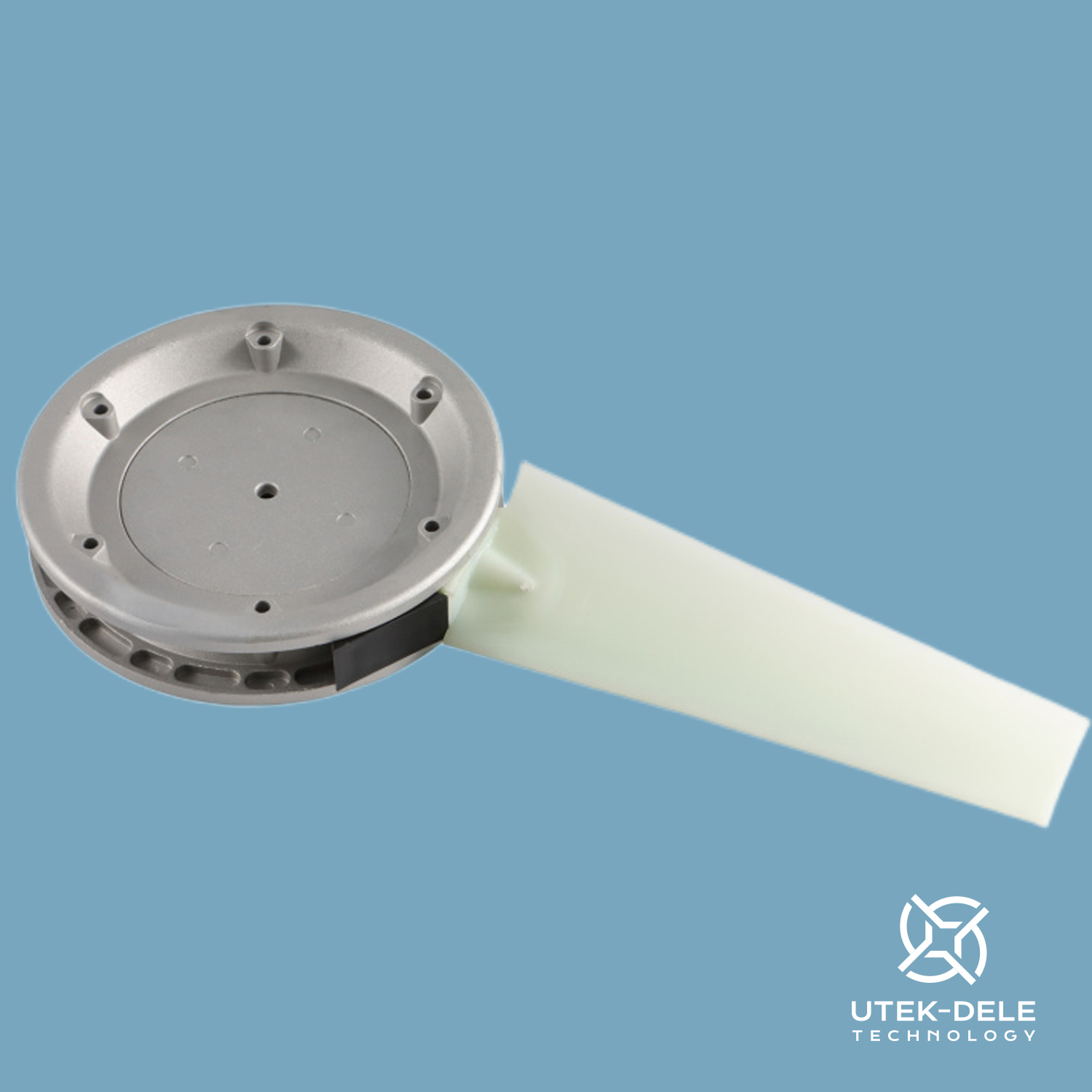
P3H product reference for assembly identification. The photo does not depict a qualified marine coating.

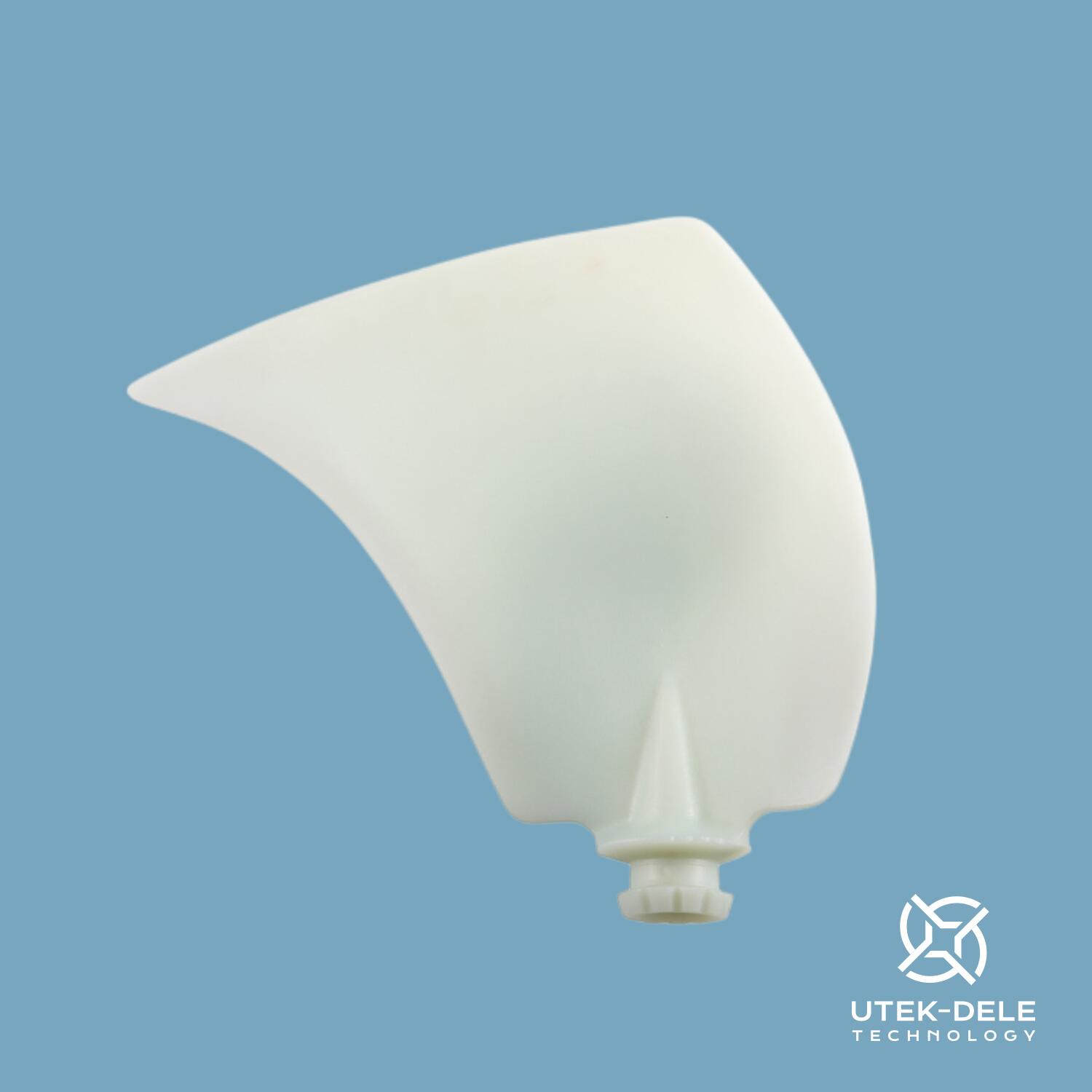
6W product reference. Define the exact hub, blade and hardware supply in the coating request.

S4Z ventilation product reference. Review the substrate and coating evidence for the specific assembly offered.
Look through the assembly drawing for substrates and mechanical interfaces. A quotation for a metal component does not imply that the same deposition method can be applied to a nonconductive blade. If the chosen product uses a polymer blade and metal hub, identify the actual substrate for each component and review the coating question part by part. Materials available on one assembly may differ from those available on another. Confirm availability, compatibility and limitations with the actual model and configuration rather than extrapolating from a photograph or applying a finish name to the entire bill of materials.
Preserve fit, clearances and balancing requirements
A rotating assembly needs a checked dimensional state after finishing. Ask whether critical dimensions are defined on bare material or on the delivered coated interface. Identify the bore, pilot, retention surfaces and blade seating features whose fit must be preserved. A controlled mask may be appropriate where the drawing calls out a bare interface, while another specified protection method may be needed for exposed areas. Confirm who makes the final dimensional checks and whether the readings must appear on the inspection record. No universal masking or fit tolerance applies across the different assemblies shown in a product catalogue.
An uneven finish, an unplanned repair or a component substitution can change the final assembly state considered by the balance process. Ask the supplier to confirm when the final balance is checked relative to the coating, hardware installation and any agreed correction work. Give the applicable balancing requirement from the project drawing, as well as the identification needed in the report. The buyer may require a balance record for the specific rotor rather than a generic certificate. Separate this acceptance from the chamber test, since corrosion qualification does not establish the mass distribution or suitability of the assembled rotor at its operating speed.
The housing bore and the swept space also depend on the geometry of the final installed arrangement. If the project keeps the existing shroud, include the measured or documented installed clearances and the datum faces used to specify position. If a complete fan is purchased, define whether the supplier must show those checks on the production drawing. The mounting arrangement for another machine does not determine the appropriate clearance for this one. Refer to the axial fan impeller assembly and selection guide for the distinction between the rotating impeller and a complete fan enclosure when assigning these checks.
Identify the guard, frame and rotor on a ventilation fan
Use this UTEK-DELE industrial ventilation example to distinguish the visible frame and rotating assembly. It does not show shipboard operation, a specified coating or a salt spray test.
Use the supplier drawing to define the housing, guard and rotor scope before requesting coating evidence.
Make the enquiry comparable across suppliers
Describe the protected room and the delivery package
A workable enquiry starts with the vessel system, installation location, duct route, supply scope and service exposure. Give the proposed arrangement in the form of a drawing or marked photograph, with the inlet side and drive side identified. Note which components already exist and where a replacement must match their dimensions. Summarise any expected saline airflow, condensate, washdown or chemical cleaning. When details are unknown, list the owner responsible for confirming them and the date needed for a coating decision. An answer at this stage can then be qualified honestly instead of appearing as a universal approval.
Add the fan duty data that remain relevant regardless of finish. The project needs the applicable airflow and pressure basis, operating speed and range, installed geometry, drive information and special functions called for by the design. A corrosion protection upgrade does not determine the appropriate aerodynamic selection. If speed or airflow changes across operating modes, describe which conditions the reviewer should assess. Use the industrial axial fan impeller range to identify candidate assembly families, then obtain the exact drawing and duty evidence for the offered model. A catalogue family is a starting point for discussions, rather than a substitute for released selection data.
Ask each supplier to name its exclusions
Request a written coating proposal with the part list and any excluded locations. Separate options for required testing, witness specimens, inspection records and reporting from the quoted finish itself. This allows the buyer to see which line items are included without assuming a lower price represents the same scope. It also exposes choices such as testing a coated coupon rather than an assembly. Ask whether the cost applies to initial qualification or repeated production batches and who is responsible for delivering evidence. Resolve any uncertainty before approving the comparison.
When comparing a retrofit with a new fan supply, check how each proposal treats interfaces to the existing equipment. A retained shaft or casing may have corrosion condition issues of its own. Record visible evidence for those components if the equipment owner can provide it safely. A finish on the new rotor does not repair the retained surfaces or establish that previous parts meet an updated requirement. For a legacy order with a missing nameplate, use the axial fan replacement guide to identify the existing assembly and gather drawing references before asking for approval of a new coating configuration.
| Item | Ask for a line in each quotation | Comparison question |
|---|---|---|
| Operating specification | Exact duty and equipment interface identified by drawing | Are both offers solving the same fan selection problem? |
| Coating scope | Part list, substrate, preparation and allowed masks | Do both offers protect the same surfaces? |
| Qualification scope | Report reference and actual specimen type | Is the evidence representative of both offers? |
| Delivery checks | Fit, balance, inspection and traceability documents | Will the same records arrive with each order? |
| Deviation | Unavailable data, unpriced requirements or changes | What still needs written agreement? |
Recognise situations that need a separate review
A fan in a compartment can still handle marine air
Suppose a design package calls the fan an engine-room unit, and the inlet branch leads directly to an outside louver. That label describes the room in which the fan is mounted. The air and entrained droplets still pass from the louver through the intake arrangement. Check the separator, drain and operating states to understand what can reach the fan. If the current project spec says salt spray required, use the requirement to review the PTFE-based proposal and specimen design. If it says nothing about coating, ask the designer for the applicable conditions and approval basis before selecting one from an unrelated vessel.
A different case is a fan that circulates air entirely inside a protected electrical compartment. When the buyer confirms the absence of direct outside marine air and identifies only routine cleaning consistent with the design, an e-coat option can be proposed for the relevant metal items under the supplier's ordinary review. If the purchaser later introduces formal chamber testing, send the requirement for a separate coating and evidence review. This prevents a service assumption made during concept design from being confused with a contractual obligation added later in procurement.
Resolve genuine unknowns before release
An exposed installation with frequent spray, washdown or immersion may need a broader review of design, materials, fittings and maintenance. A salt spray report can answer a defined chamber-test question for a given specimen. It does not settle every aspect of suitability under persistent wetting or exposure beyond the agreed design case. Refer operational and classification requirements to the equipment design authority and other responsible parties. For classified or otherwise special environments, keep compliance documents and approvals separate from the finish proposal. This guide does not identify applicable class approval or make an approval claim for a particular model.
If the proposed equipment will encounter chemicals in addition to moisture, obtain the actual chemical exposure and cleaning description. Different formulations may be used in different rooms or service regimes. A supplier can assess a defined fluid and mode of contact more usefully than a general instruction to provide chemical resistance. Place that finding in a separate field beside the salt fog requirement. When two exposures both matter, meet each applicable acceptance criterion on its own merits and confirm how either affects the choice of coating and maintenance inspection.
Quality Assurance: match the documents to the delivered parts
Read the test report as a chain of evidence
Start with the approved purchase line and drawing revision. Locate the specific coating designation and the test clause that prompted it. Then find the specimen identifier, lot or process documentation and report number. Read the results against the stipulated appearance criteria and exclusions. Compare photographs with the report's marked boundaries. Where a finding is ambiguous, seek clarification before releasing the material. An inspection that only checks a document title is likely to miss whether the result actually pertains to the parts or to an unrelated coating trial.
Some orders need an initial qualification report for the type of coating, while others need documentation connected to the shipment. Resolve this at quotation and again when reviewing delivery records. A result from an approved qualification panel may be valid as a process reference within its defined scope. The purchaser still needs whatever production control and traceability evidence the contract calls for. Ask who maintains the link between the tested conditions and the released production build. If the owner accepts a different evidence basis, retain that decision with the specification so it is available on a reorder.
Check release and change control
Require the agreed finish, dimensional and balance documents to refer to the same released assembly. You may receive a test record for a finish and an inspection record for the rotor. The identifiers should allow engineering or quality staff to tell whether they belong to the same approved configuration. Make a handoff record when one company supplies the rotor and another supplies the casing. The owner must be able to assign responsibility for each corrosion or fit requirement when later tracing service issues or confirming the details of a refurbishment.
During production, changes may include a different substrate, altered masking, new hardware or a change in the finish process. Ask the responsible reviewer which changes can remain under current approval and which require a new review or test. Record the disposition in a controlled revision rather than accepting informal substitutions while still expecting the old test evidence to apply. This also makes the next order less ambiguous when a new purchasing team no longer has access to the original emails.
| Record | What to match | Decision before release |
|---|---|---|
| Approved order and drawing | Model, revision, operating duty and supply boundaries | Accept only the agreed configuration or documented deviation |
| Finish identification | Part substrates, coated areas and masked locations | Compare physical and documentary evidence with drawings |
| Corrosion evidence | Method, exposure, specimen identity and actual results | Confirm that specified acceptance criteria are addressed |
| Assembly release | Inspection, mechanical fit and balance documentation | Apply the project-specified evidence requirements |
| Change history | Approved concessions and order revision | Keep later replacements traceable to what was accepted |
Turn a failed review into a specific action
If a report cannot be matched to the actual assembly, start by identifying the bad link in the evidence chain. A missing photo annotation may require a revised report. An unrepresented substrate may require an equivalence decision or a genuinely new specimen. An old finish revision may require a review of what changed. Organise the response around the unresolved item and its owner. This is more productive than asking the lab to repeat a test without first changing the test plan or identifying why the existing result was insufficient.
If a newly coated part shows unexpected deterioration in service, give the reviewer the installed position, operating and idle history, cleaning exposure, substrate and coating records, and where the issue is visible. Preserve the details of any on-site repairs or assembly changes. If several conditions changed at once, report them separately and avoid assuming that the visible outcome proves one cause. Follow the project's safety and equipment reporting procedures, especially before handling any rotating assembly or investigating a protected compartment.
Close the gap between a chamber report and a repeat order
Build a small approval matrix for a hypothetical supply made up of an aluminium rotor component, a metal hub and retained casing hardware. List the drawing number and finish against each line, then put the corresponding report or inspection reference in the next column. Leave an empty cell visible when evidence is missing. If the only corrosion report covers a flat coated coupon, the table makes clear which geometry and joints remain outside its scope. The project reviewer can approve that specific evidence where allowed, request a more representative specimen or change the stated scope. This example is a way to organise a review without assuming that any listed material or finish passed.
A drawing change can reopen several rows of this matrix at once. For example, if a supplier moves the coating boundary around a mounting pilot, there is a dimensional question about the resulting fit and a separate corrosion question about the newly exposed area. Add the proposed detail and revision to both review lines. A written response can then say which issue has been closed and what remains open. Follow the same approach for replacement fasteners. A similar head form or thread designation does not establish that the fastener material and finish remain within the approved combination.
Define how a repaired finish will be handled
Ask what the project permits when a coated surface is marked during handling or assembly. Distinguish a cosmetic mark from damage that exposes a substrate or crosses an area assessed by the test specification. Ask who can accept a repair, which documented process is permitted and whether the repaired state needs additional acceptance evidence. Record the location and extent before action is taken so the reviewer can relate it to the supplied drawing. A patch applied to stop visible deterioration may be appropriate only under a defined repair decision. Its existence should be visible in the delivery records if the contract requires it.
Packing and storage should keep accepted parts identifiable through installation. Mark the component or package with the agreed order and drawing reference, and specify the documents that travel with the rotor or complete fan. If the shipment is split, carry the relevant release record with each part lot rather than filing it under a single assembly label that becomes detached from the goods. A later replacement enquiry can then distinguish the installation's actual finish from an option that appeared only on the original quotation. Ask the vessel owner to confirm any storage or inspection provisions required before fitment.
Frequently Asked Questions
Is a fan mounted inside a ship always in protected service?
Its location alone does not define the exposure. Trace where the inlet air comes from, including alternate damper positions, and consider shutdown condensation, cleaning and water paths that can reach the housing or rotor.
Is e-coating the same as ordinary spray painting?
E-coating uses electrical deposition from a bath on a suitable conductive substrate. If an additional sprayed topcoat is needed, identify it separately in the specification and quotation so both processes are clear.
Does a PTFE coating automatically pass a salt spray requirement?
The result depends on the exact coating system, substrate, preparation, specimen and the project-defined acceptance criteria. Ask for evidence that represents the offered configuration and meets the required test scope.
What should I send with a salt spray test enquiry?
Provide the project clause, applicable standard and variant, duration, specimen type, coated and masked areas, inspection criteria and required report. Add the part drawing and state which assembly components the purchase covers.
Can a coating coupon stand in for a whole fan assembly?
Only if the project accepts that evidence for the stated purpose and the coupon represents the specified process and substrate. The project may separately require parts or an assembled specimen to evaluate edges, joints or supplied hardware.
Can salt fog exposure hours be converted into years at sea?
A stand-alone test duration cannot support a general years-at-sea conversion. Use the test for the agreed evaluation, and assess real exposure and maintenance separately with evidence applicable to the equipment.
Should all components receive the same finish?
Identify each material and component first. Controlled fits, fasteners and electrical contact areas may have separate requirements, and the housing or motor may be outside the rotor supplier's scope.
Can a coating change affect an approved replacement?
Review the proposed change against the approved drawing, including fit, clearances and final assembly inspection or balance requirements. Confirm the coating evidence that applies to that revision and record the approval for repeat supply.
Final Thoughts
For a protected internal fan, describe the air path and identify the metal components when requesting the e-coat option. If the order specifies a salt spray test, send the test method, sample requirements and pass criteria to review a PTFE-based system. Ask for the actual evidence and the final assembly records together. Send the drawing and the specification to the UTEK-DELE technical team so the proposal can identify what is covered and what still needs confirmation.